Bagan Guide
OVERVIEW OF BAGAN
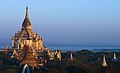
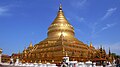
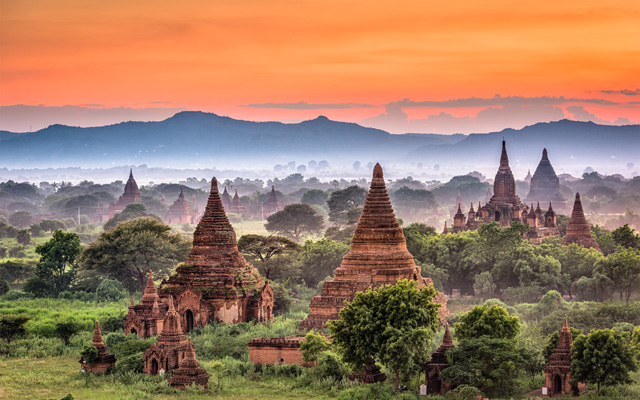
Bagan is an ancient city and a UNESCO World Heritage Site in the Mandalay Region of Myanmar. From the 9th to 13th centuries, the city was the capital of the Pagan Kingdom, the first kingdom that unified the regions that would later constitute Myanmar. During the kingdom's height between the 11th and 13th centuries, more than 10,000 Buddhist temples, pagodas and monasteries were constructed in the Bagan plains alone, of which the remains of over 2200 temples and pagodas survive.


BAGAN TEMPLES, PAGODAS AND MONASTRIES
The ravages of time have reduced many of the structures to little more than rubble through the action of a millennium of erosion from wind, rain and the great power of the mighty Irrawaddy River cutting its path through the plain. That said, what currently remains undisturbed and what has been restored provides more than enough fascination for the visitor. There is contention about how the renovation of many of the structures has been carried out as many outside of the country believe the present state of disrepair should be prevented from getting worse and reconstruction should not take place while the local populace believe it is disrespectful to not repair damaged religious sites and re-instate worship at them. The most well-preserved and restored buildings are also the most revered, famous and therefore visited.

BAGAN HOT AIR BALLOONS
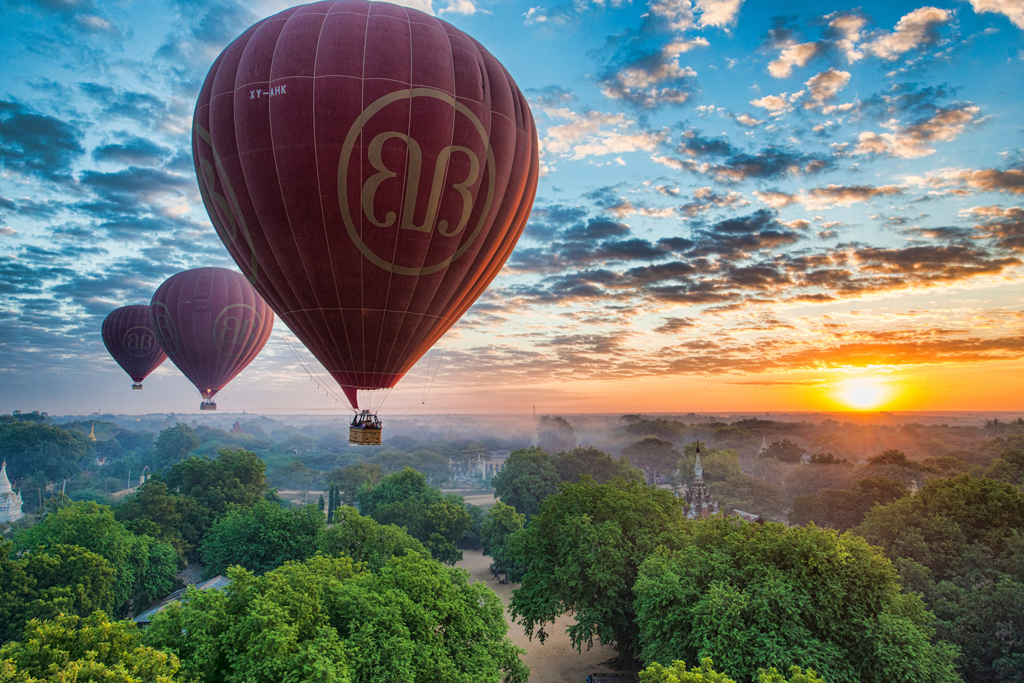
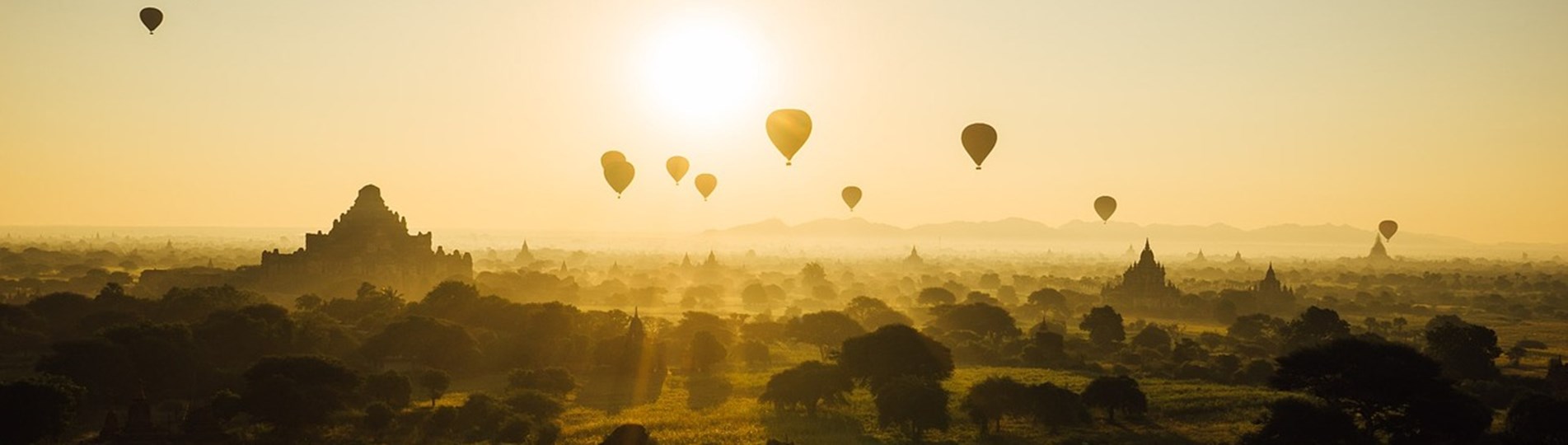
Undoubtedly the most memorable experience one can have from a trip to Bagan is a hot air balloon trip that takes off at the break of day and silently carries the tourist across the plain with the temples and pagodas breaking through early-morning mist. There a various experienced companies employing expert foreign pilots offering flights in comfortable baskets of different sizes giving the visitor the ability to view the thousands of temples and the whole plain in one unforgettable panorama.
TRAVEL OPTIONS FOR GETTING TO BAGAN
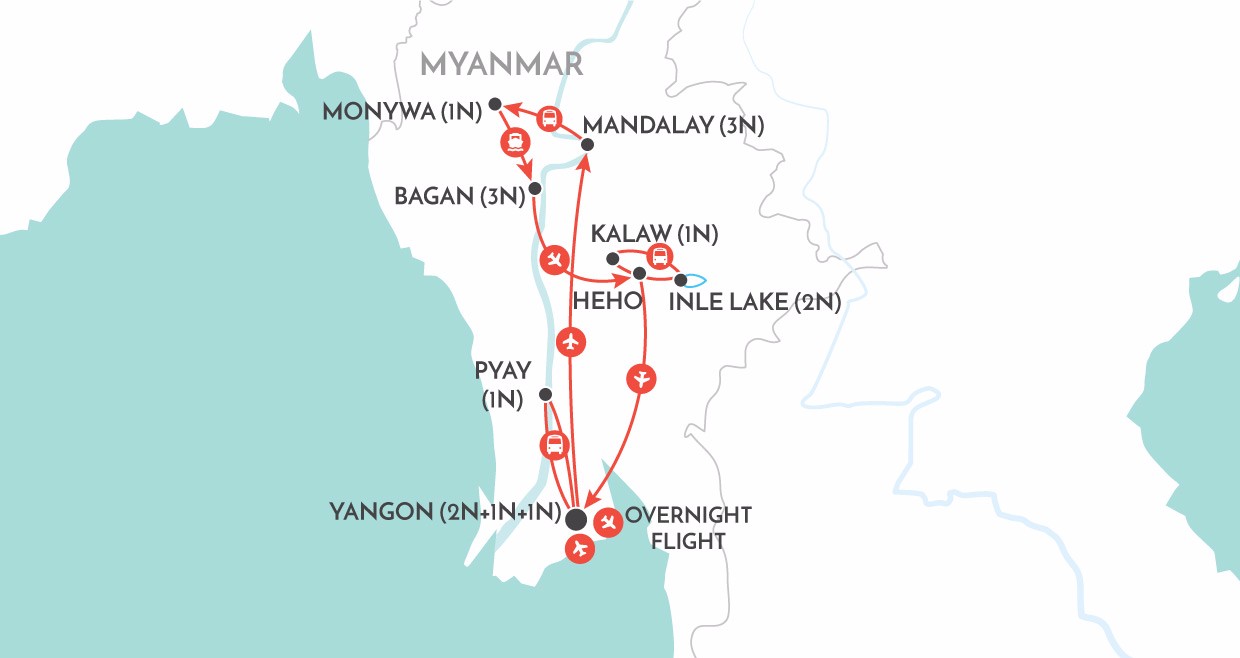
Most visitors to Bagan arrive from Yangon or Mandalay and the best, most comfortable and easiest method of travel is by air with flights being a relatively cheap and easy transport option. For the more adventurous and those wishing to meet more of the local people plus the chance to see the beautiful countryside there are choices of traveling by road or rail and also by riverboat if coming from Mandalay. The road and rail networks are poor in comparison to Western standards and it can take a long time to travel a relatively short distance especially on the train so planning for a long journey is recommended although the experience can often be half the fun of getting there.

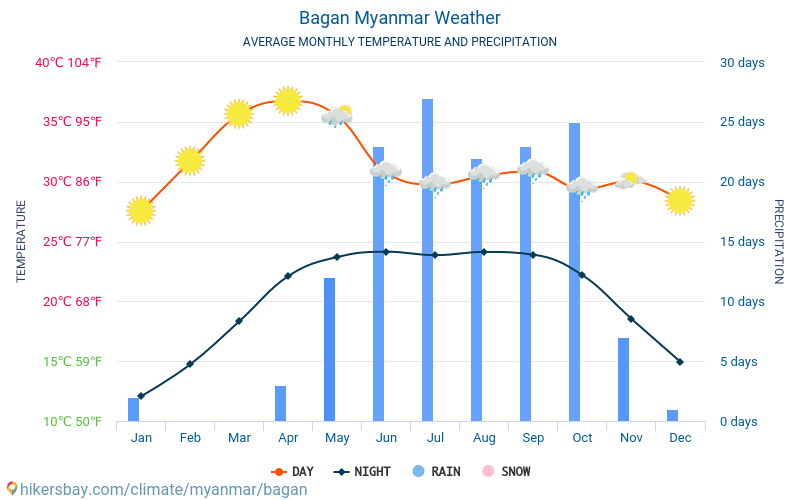
2,500 millimetres (98 in), the dry zone gets
little precipitation as it is sheltered from the rain by the
Rakhine Yoma mountain range in the west.
Bagan's economy is based mainly on tourism. Because of boycotts against the previous military government, the Bagan region's tourism infrastructure is still quite modest by international standards. The city has a few international standard hotels and many family-run guesthouses. Bagan is also the center of Burmese lacquerware industry, which to a large degree depends on tourist demand. Much of the lacquerware is destined for souvenir shops in Yangon, and to the world markets. Moreover, the lacquerware-making process itself has become a tourist draw.
Bagan is accessible by air, rail, bus, car and river boat.
AirMost international tourists fly to the city. The Nyaung U Airport is the gateway to the Bagan region. Several domestic airlines have regular flights to Yangon, which take about 80 minutes to cover the 600 kilometres. Flights to Mandalay take approximately 30 minutes and to Heho about 40 minutes. The airport is located on the outskirts of Nyaung U and it takes about 20 minutes by taxi to reach Bagan.
RailThe city is on a spur from the Yangon-Mandalay rail line. Myanmar Railways operates a daily overnight train service each way between Yangon and Bagan (Train Nos 61 & 62), which takes at least 18 hours. The trains have a sleeper car and also 1st Class and Ordinary Class seating. Between Mandalay and Bagan there are two daily services each way (Train Nos 117,118,119 & 120) that take at least 8 hours. The trains have 1st Class and Ordinary Class seating.
Buses and carsOvernight buses and cars also operate to and from Yangon and Mandalay taking approximately 9 and 6 hours respectively.
BoatAn 'express' ferry service runs between Bagan and Mandalay. Following the Irrawaddy river the fastest ferry takes around 9 hours to travel the 170 kilometres. The service runs daily during peak periods and slower sailings with overnight stops are also available.